Free Shipping on US orders over
$199
$99
Teslong · Thermal & Night Vision
Thermal cameras for HVAC, electrical, home & outdoor use
Teslong thermal imaging cameras show heat as a picture, so you can find a hot breaker, a cold draft or an overheating part without touching it. Handheld models measure surface temperatures from -4°F to 752°F.
Choose a handheld camera, an Android phone add-on, or an outdoor thermal monocular. For simple night viewing, the NV-G01 night vision binoculars are here too.
Shop by use case:
Editor's picks
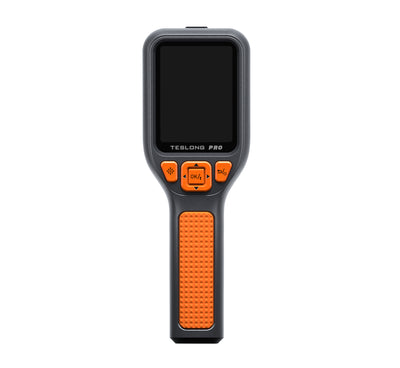
256×192 sensor with visible-light fusion
¥92,700
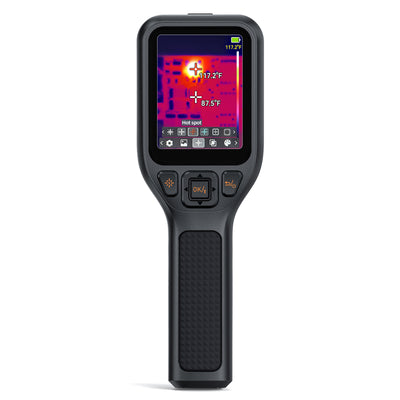
256×192 detail in a handheld
¥67,600
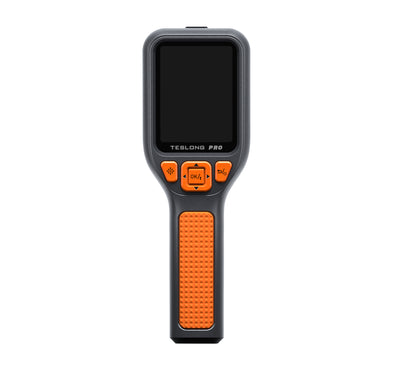
120×90 sensor, -4°F to 752°F
¥58,000
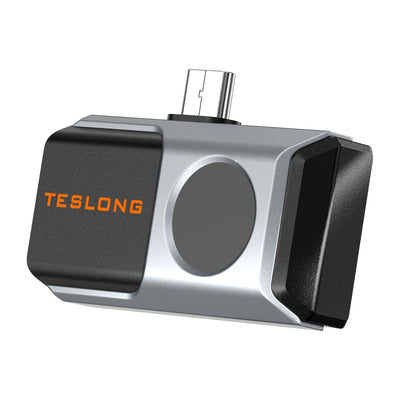
Plugs into Android phones via USB-C
From ¥38,700
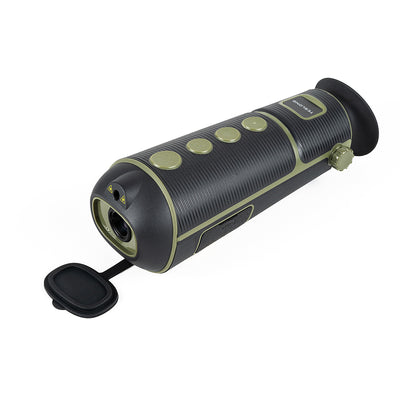
Pocket monocular, 7–8 h battery
¥96,600
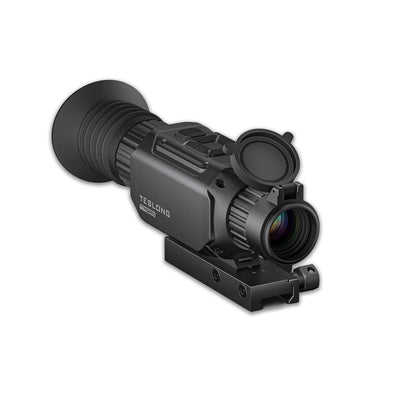
256×192 scope with Picatinny mount
¥154,500
Quick product finder
Answer three quick questions about what you'll inspect, how you want to view it and what matters most.
Your recommendation appears here
Answer all three questions to see the best match for your needs — plus two alternatives worth considering.
All models
New here? The Product Finder above matches you in 30 seconds. Know what you need? Filter the full range below.
Application
Type
Recommended for
Showing 8 of 8 models
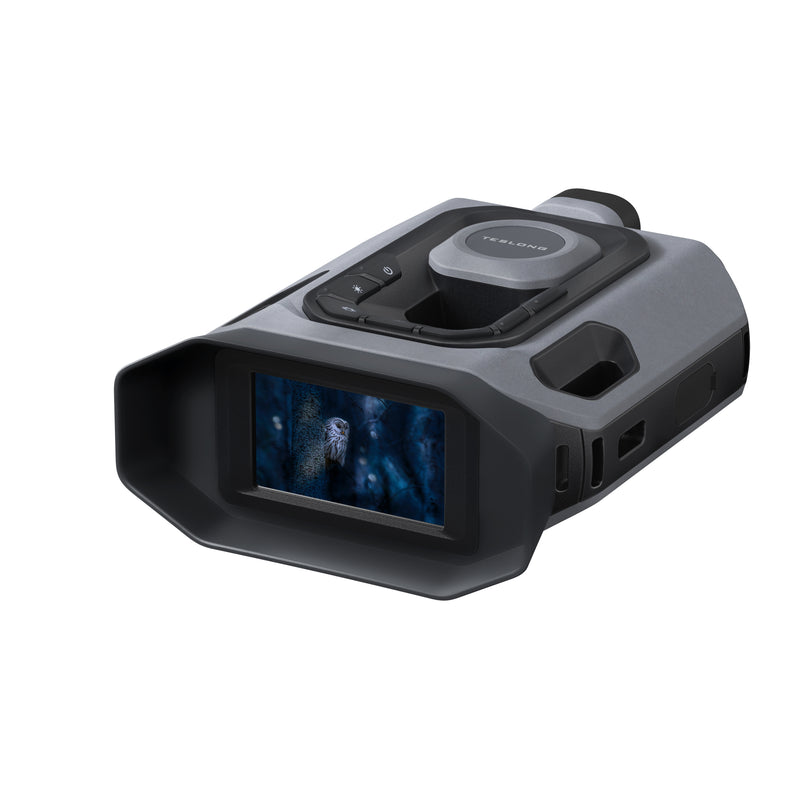
Low-cost night viewing (digital night vision, not thermal)
Digital night vision binoculars with color daytime and infrared night modes, a 3-inch 640×360 screen, 1–10x digital zoom, 1080p video and a 32 GB card. Not thermal and not waterproof.
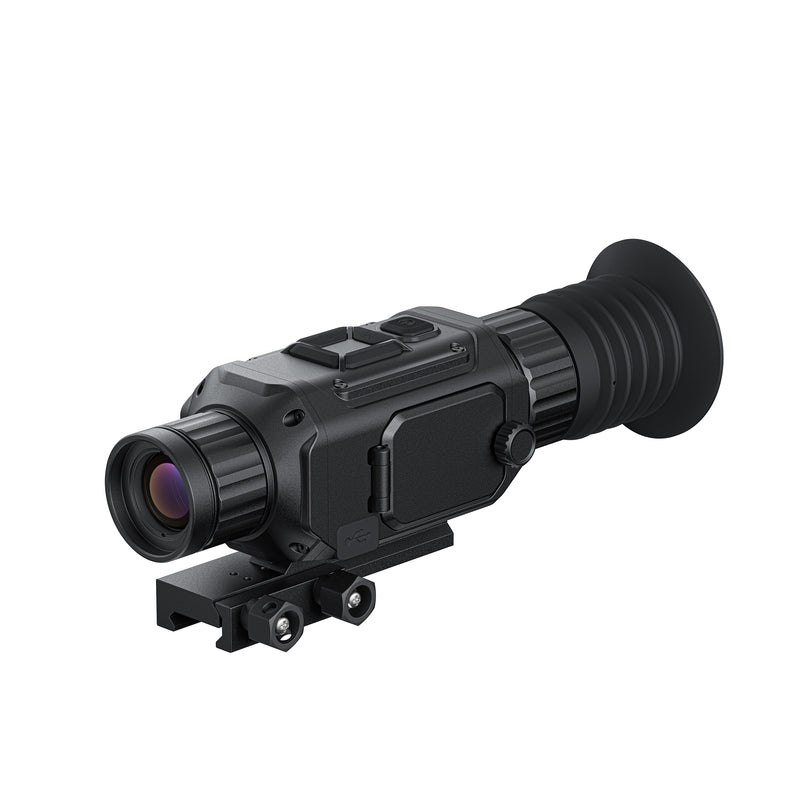
Best for hunters who want a Picatinny-mount thermal scope
A 256×192 thermal scope with a 1024×768 OLED display, 1–4x digital zoom, Wi-Fi sharing to the Beyond Sight app, IP67 rating and a removable 900 mAh battery.
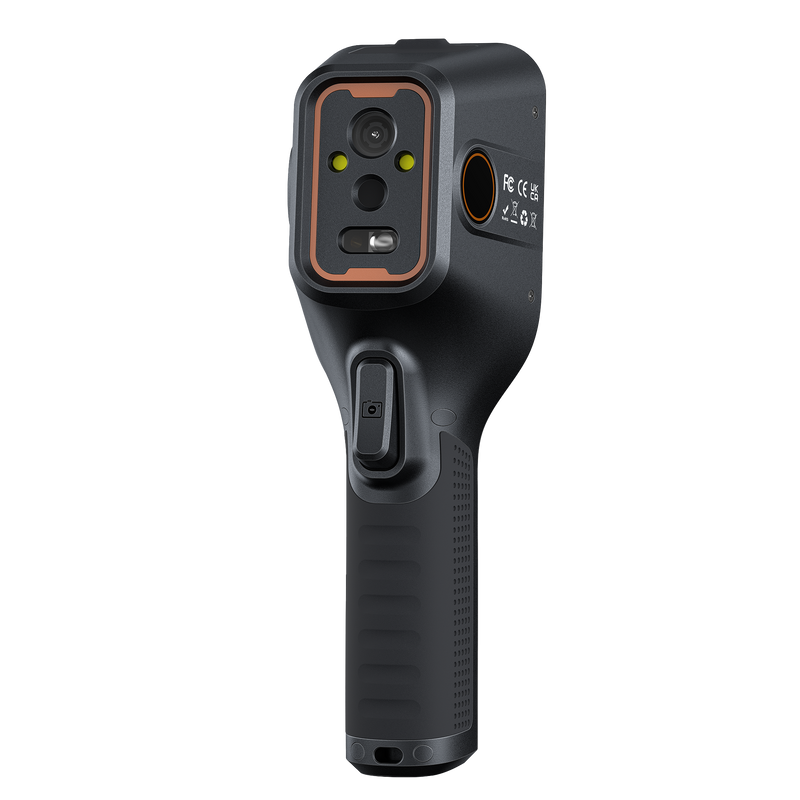
Best value for 256×192 detail in a handheld
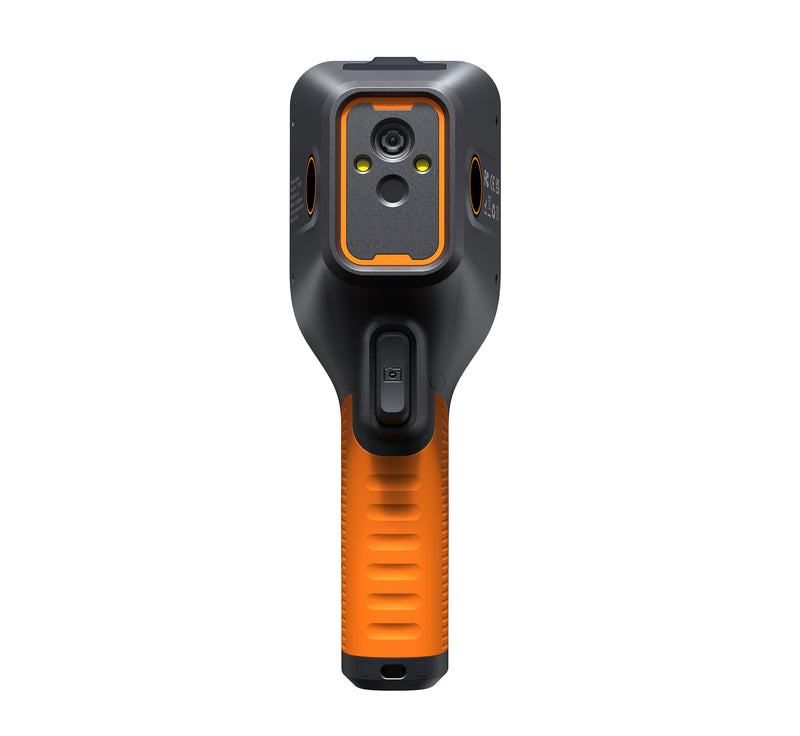
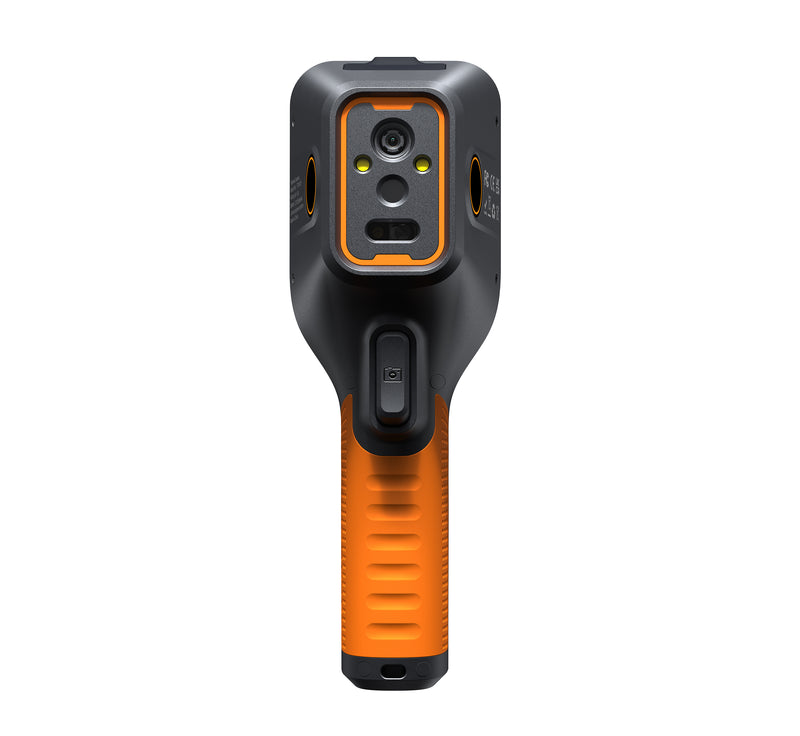
A handheld thermal camera with a 256×192 sensor and 720p visible camera, measuring -4°F to 752°F, with a dual LED flashlight, 3.2-inch screen and 8 GB memory.
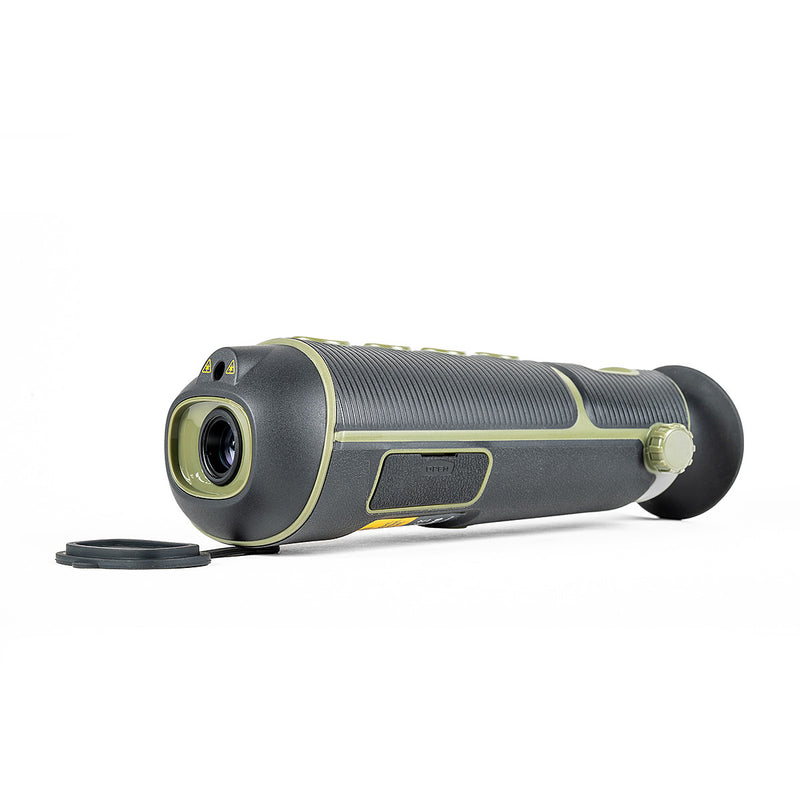
Best for wildlife watching and exploring outdoors
A pocket-size thermal monocular with a 260×200 sensor, 50 Hz frame rate, 1x/2x/4x digital zoom, five palettes and a 4800 mAh battery rated for 7–8 hours.
Best entry-level handheld for home and building checks
A 120×90 handheld thermal camera that measures -4°F to 752°F at ±2°C or ±2%, with center, hot and cold tracking, a 3.2-inch screen, 8 GB memory and an IP54 body.
Best for detailed inspections with thermal + visible fusion
A 256×192 thermal camera with a 720p visible-light camera and fusion image modes. It measures -4°F to 752°F at ±2°C or ±2%, with a 3.2-inch screen and 8 GB memory.
Best for turning an Android phone into a thermal camera
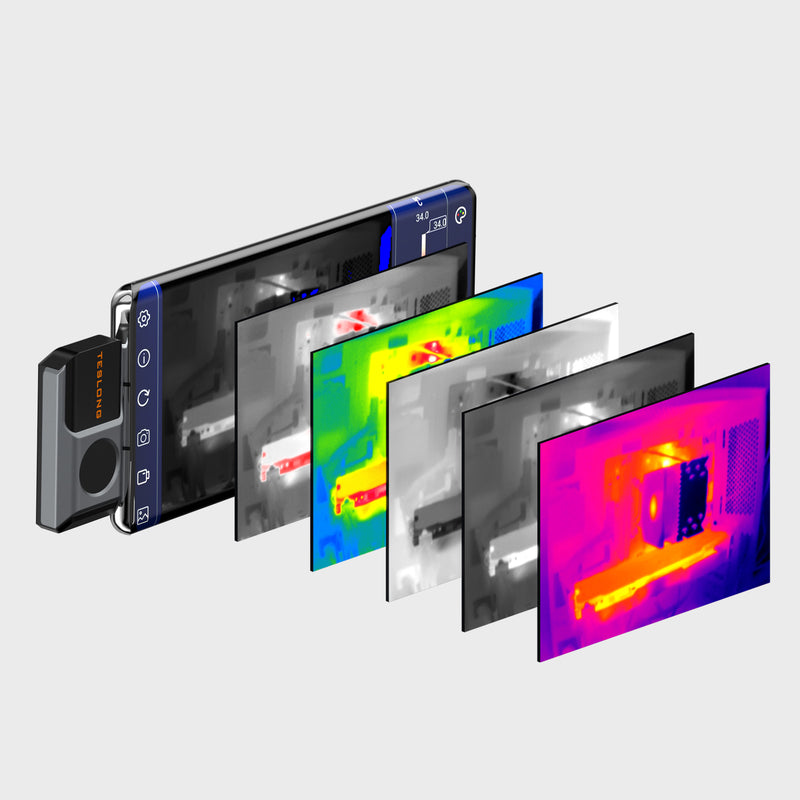
Plugs into Android phones via USB-C and runs the Teslong Thermal app, with a 160×120 or 256×192 sensor, center/max/min tracking and six palettes. Not compatible with Apple devices.
Thermal camera with a flip-out screen and viewfinder
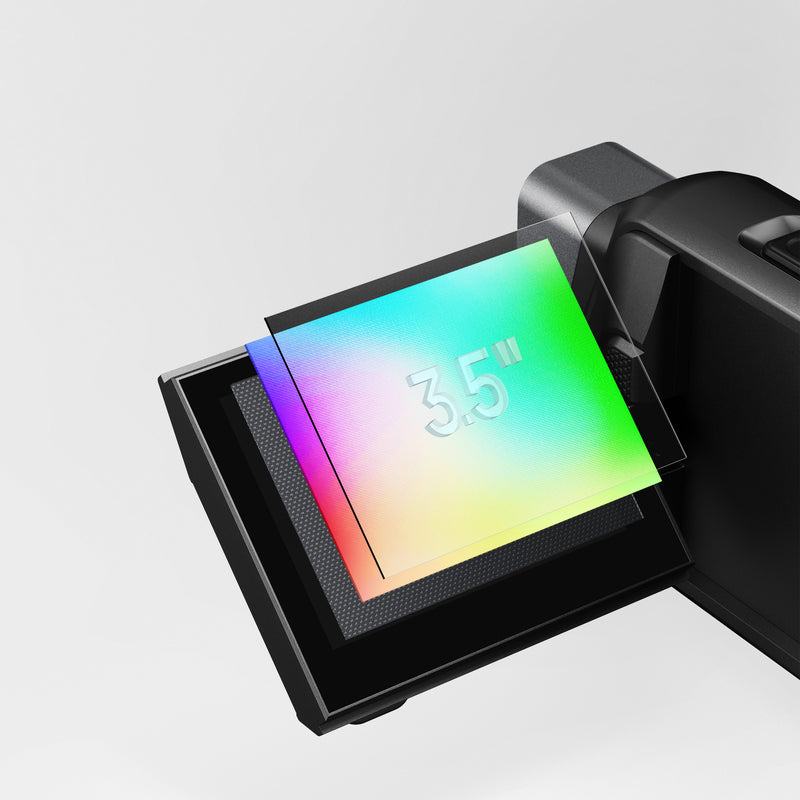
A 256×192 thermal camera with a 3.5-inch flip-out 640×480 screen, electronic viewfinder, macro-to-telephoto focus and 1–4x digital zoom.
No models match all of these filters.
Side-by-side
Every in-stock model in one table — type, sensor, measurement range, display, battery and price.
| Model | Type | IR sensor | Temp. measurement | Display | Battery | Price |
|---|---|---|---|---|---|---|
| M2 PRO | Handheld camera | 256×192 | -4°F to 752°F, ±2°C | 3.2″, 240×320 | 2600 mAh | ¥92,700 |
| TTM260 | Handheld camera | 256×192 | -4°F to 752°F, ±2°C | 3.2″, 240×320 | 2600 mAh | ¥67,600 |
| M1 PRO | Handheld camera | 120×90 | -4°F to 752°F, ±2°C | 3.2″, 240×320 | 2600 mAh | ¥58,000 |
| Pocket Thermal | Android add-on (USB-C) | 160×120 or 256×192 | Center / max / min tracking | Your phone | — | From ¥38,700 |
| TTS260 | Thermal monocular | 260×200 | Center / max / min tracking | 640×480 image | 4800 mAh, 7–8 h | ¥96,600 |
| TTRS260 | Thermal scope | 256×192 | — | 1024×768 OLED | 900 mAh, up to 6 h | ¥154,500 |
| NV-G01 | Digital night vision | Not thermal | — | 3″, 640×360 | 5000 mAh | ¥17,400 |
Shop by use case
Pick by the job you actually do — here's what matters for each and which models fit.
Check supply and return vents, ductwork and coils for uneven temperatures, and confirm a system is heating or cooling where it should.
Recommended features
Top picks
Scan breaker panels, connections, motors and circuit boards for hot spots that point to loose connections or overloaded parts.
Recommended features
Top picks
Find drafts around windows and doors, missing insulation, and the temperature trail of water leaks behind drywall.
Recommended features
Top picks
Compare brake, exhaust, radiator and bearing temperatures side to side without touching hot parts.
Recommended features
Top picks
Watch wildlife and explore after dark with a thermal monocular, a scope-mount thermal, or digital night vision binoculars.
Recommended features
Top picks
Buying guide
Four questions decide which thermal camera fits your work.
More sensor pixels mean a sharper heat image and smaller hot spots you can pick out. 120×90 covers general home and HVAC checks; 160×120 and 256×192 show more detail in panels, boards and small parts.
The M1 PRO, M2 PRO and TTM260 measure -4°F to 752°F at ±2°C or ±2% and track center, hottest and coldest points. The Pocket Thermal and TTS260 track center, maximum and minimum temperature.
A handheld camera has its own screen, battery and memory. The Pocket Thermal uses an Android phone's screen through USB-C (not compatible with Apple). The TTS260 monocular and TTRS260 scope are built for outdoor viewing.
Thermal shows heat and works in daylight or total darkness. Night vision such as the NV-G01 shows a regular picture in low light but does not see heat or measure temperature.
Trusted by technicians & homeowners
From quick home checks to detailed electrical work, there's a thermal camera for the job.
-4°F to 752°F on the M1 PRO, M2 PRO and TTM260
Thermal sensors from 120×90 to 260×200
Handheld screen, Android phone, monocular or scope
3 years on the M1 PRO and M2 PRO, 12 months on others
Free US shipping over $199 and a 30-day money-back guarantee
FAQ
Common questions about infrared and thermal imaging cameras, and how to pick one.
While traditional visible-light cameras capture images of objects radiating light visible to the naked eye, an infrared camera captures infrared light, which the human eye cannot see. All objects radiate some form of heat energy, but some wavelengths within the electromagnetic spectrum are invisible, including infrared. Sensors in a thermal infrared camera capture a particular range of invisible energy emission (Teslong’s thermal cameras work in the 8–14 μm long-wave infrared band) and then express each heat value through a set of corresponding colors. The resulting image is called a thermograph and is usually viewable on an LCD screen.
Traditional cameras capture images of objects reflecting light visible to the naked eye, however an infrared camera captures infrared light, which is invisible to the naked eye. All objects radiate energy, and some of that energy falls within the spectrum of infrared light. Thermal cameras read long-wave infrared emission (8–14 μm for Teslong’s thermal sensors), and most importantly this corresponds to a thermal value. In other words, it can be used to calculate the temperature of the surface of the object without even touching it.
The colors that you see in an infrared image are not the colors of infrared light, they are just symbolic of the surface temperatures that you are looking at on the object. The resulting image is called a thermograph.
From a terminology standpoint infrared radiation is defined by having the wavelength in the fixed interval 0.7 - 300 micrometers, this is a convention of the electromagnetic spectrum. However, the term thermal radiation refers to the thermal radiation emitted by all objects - it does not have a wavelength designation. When it comes to infrared cameras however, they are frequently referred to as thermal imaging cameras.
Infrared cameras have a wide range of applications. They are most commonly known for their ability to perform temperature calculations. Many of the thermometers used to screen people for fever during the COVID-19 pandemic are infrared because it allows the temperature to be calculated without touching, thereby minimizing the spread of disease. So thermal imaging cameras are very helpful to medical and veterinary professionals to identify injury and illness. Electricians and building inspectors also utilize IR technology to detect deterioration, corrosion, water leaks, and other potential dangers. IR is also advantageous because obstructions like fog, trees or darkness do not hinder the image. Law enforcement and hunters can use thermography to detect security threats or predators under the cover of night or even hidden behind objects or walls. In the PCB (Printed Circuit Board) industry, infrared cameras can quickly detect a variety of circuit defects to improve work efficiency. Circuit defects include current leakage, short circuit, capacitor breakdown, circuit aging and components defects.
Infrared thermography also maintains a level of safety as there is no direct contact necessary to obtain the measurement, so there is no risk of burns, shock, short circuit, or transmission of disease.
Infrared cameras should not be confused with night vision, which enhances visible light. Because infrared cameras measure light that is not visible to the human eye, they can work in darkness as well as daylight. Some professional photographers enjoy using infrared cameras to capture artistic images because they reflect elements like colors, textures, the sky, trees, and even human subjects differently than visible light photographs.
Water, or other fluid, leaks almost always emit a different wavelength of infrared light compared to their dry surroundings. If you view a puddle of water or a stream of drips it will be identifiable to someone performing an inspection with an infrared camera. Infrared cameras make excellent infrared water leak detectors.
Usually, no it won’t. An infrared camera detects the infrared light being emitted from other objects and if you shine more infrared light on those objects usually that results in the contrast between them being blurred. We don’t include infrared illuminators with our cameras because it does not improve the image quality.
For benchtop applications, usually thermal cameras for printed circuit board (PCB) repair are used to find hot spots on a printed circuit board or other similar electronic device. Hot spots are usually indicative of component failures, electrical shorts, and other circuit board problems. The benchtop thermal imaging camera allows a technician to identify such problems and replace the faulty component without having to dive too deeply into the electrical engineering of the device.
Although our naked eyes can't see infrared light, the sensors in your phones and digital cameras can. The cell phone’s camera is more sensitive to light than human eyes are, so it "sees" the infrared light that is invisible to us. If you look at your television remote (which emits IR waves when the buttons are pushed) with your digital camera sensor you’re likely to see more than you can with your naked eye. Also, add-on devices can be purchased that turn your phone into a sensitive infrared camera that uses your phone’s display to show the thermograph — Teslong’s Pocket Thermal Infrared Camera is one, for Android phones with a USB-C port.
One of the biggest advantages of IR is that obstructions like fog, trees or darkness do not hinder the image. That means that police can use IR cameras to find criminals hiding in the bushes, and it also means that home inspectors can use IR cameras to look at hot and cold water pipes inside a wall and watch how the temperature of those pipes change when you turn on the water, even if you can’t see the pipes with your naked eye. IR cameras see things best when there is a contrast in temperature so if there is some sort of temperature contrast inside or behind a thin wall (think drywall, as opposed to cinder blocks) then the camera should be able to see it. If the wall is all one temperature and there is no contrast then you won’t see any detail through the wall.
Choose a handheld model that measures temperature. The M2 PRO and TTM260 use a 256×192 sensor and add a 720p visible-light camera; the M2 PRO also offers fusion image modes and a 3-year warranty. The M1 PRO uses a 120×90 sensor for a lower cost and also carries a 3-year warranty. All three measure -4°F to 752°F at ±2°C or ±2% and track center, hottest and coldest points. If you would rather use an Android phone, the Pocket Thermal Infrared Camera plugs in via USB-C.
A thermal camera shows heat, so it works in total darkness or daylight and can measure surface temperature. The NV-G01 is digital night vision: it records a regular picture, with a color mode for daytime and an infrared mode for night viewing. It does not show heat or measure temperature, so it is not suited to HVAC, electrical or building inspections.
More sensor pixels give a sharper thermal image and make small hot spots easier to find. A 120×90 sensor (M1 PRO) handles general home and HVAC checks. A 160×120 or 256×192 sensor (Pocket Thermal, TTM260, M2 PRO) shows more detail in electrical panels and on smaller components. For outdoor viewing, the TTS260 uses a 260×200 sensor.
Tell us what you need to inspect or watch, and we'll point you to the right thermal camera — or compare the models side by side above.
An infrared thermal imaging camera turns surface temperature into a picture. Hot spots show up in bright colors and cold spots in dark ones, so you can see a failing breaker, a blocked duct, a missing patch of insulation or an overheating bearing without taking anything apart or touching it.
For HVAC, electrical, building and automotive checks, choose a handheld camera that measures temperature. The M1 PRO (120×90), TTM260 and M2 PRO (both 256×192) measure -4°F to 752°F at ±2°C or ±2%, track the center, hottest and coldest points, and save images to 8 GB of memory. The Pocket Thermal Infrared Camera turns an Android phone into a thermal camera through USB-C.
For outdoor use, the TTS260 thermal monocular and the TTRS260 thermal scope show heat at a distance, while the NV-G01 binoculars are digital night vision rather than thermal. These are portable devices, not fixed security cameras. Every model comes with a 30-day money-back guarantee, and the M1 PRO and M2 PRO carry a 3-year warranty.
Need help? Call our award-winning support team at 877.899.8809